Languedoc wines: appellations and estates to visit
Wine here is a family story. My father, Dédou, was a winemaker. My brothers still are. The family has been in Florensac for over 200 years, and for nearly all of those years, the work has been the vine. It’s not a hobby. It’s a trade, an identity.
The Languedoc is the largest wine-growing region in France. For a long time it was known only for bulk table wine. That has changed. Appellations have been structured, winemakers have invested, yields have come down. The wines of today have little in common with those of the 1980s. And the prices remain reasonable. It’s probably the best value in the country.
The appellation landscape
The Languedoc wine region covers a vast territory, from Nimes to the Spanish border. The Herault department is its heart. Here are the main appellations, the ones you’ll find most easily around Florensac.
Picpoul de Pinet
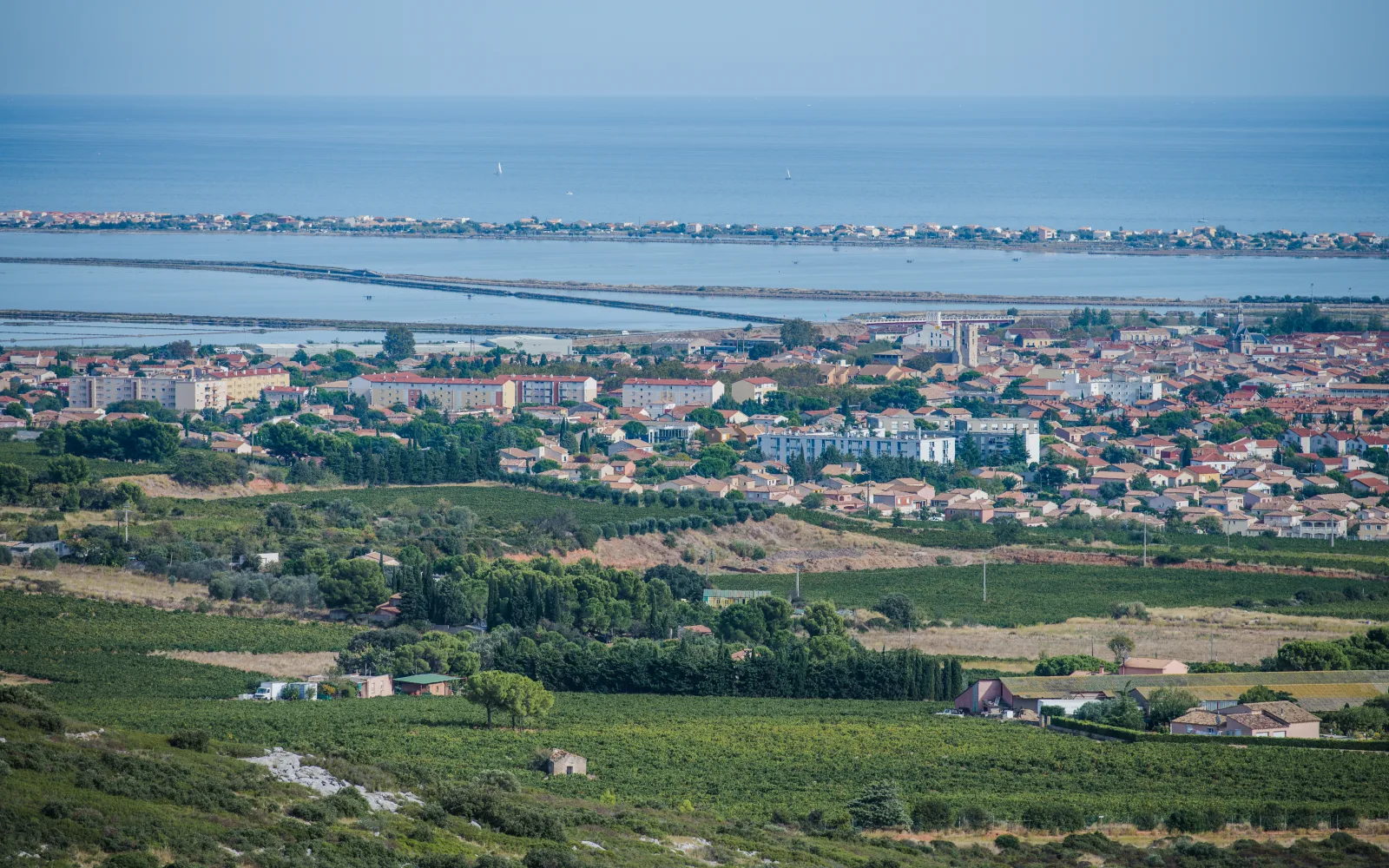
This is the house white. The appellation is tiny: six villages around the Thau lagoon, including Florensac. A dry, crisp white with clean acidity. Perfect with Bouzigues oysters, grilled fish, shellfish. Drink it young, well chilled. Not a wine for ageing. A wine for pleasure.
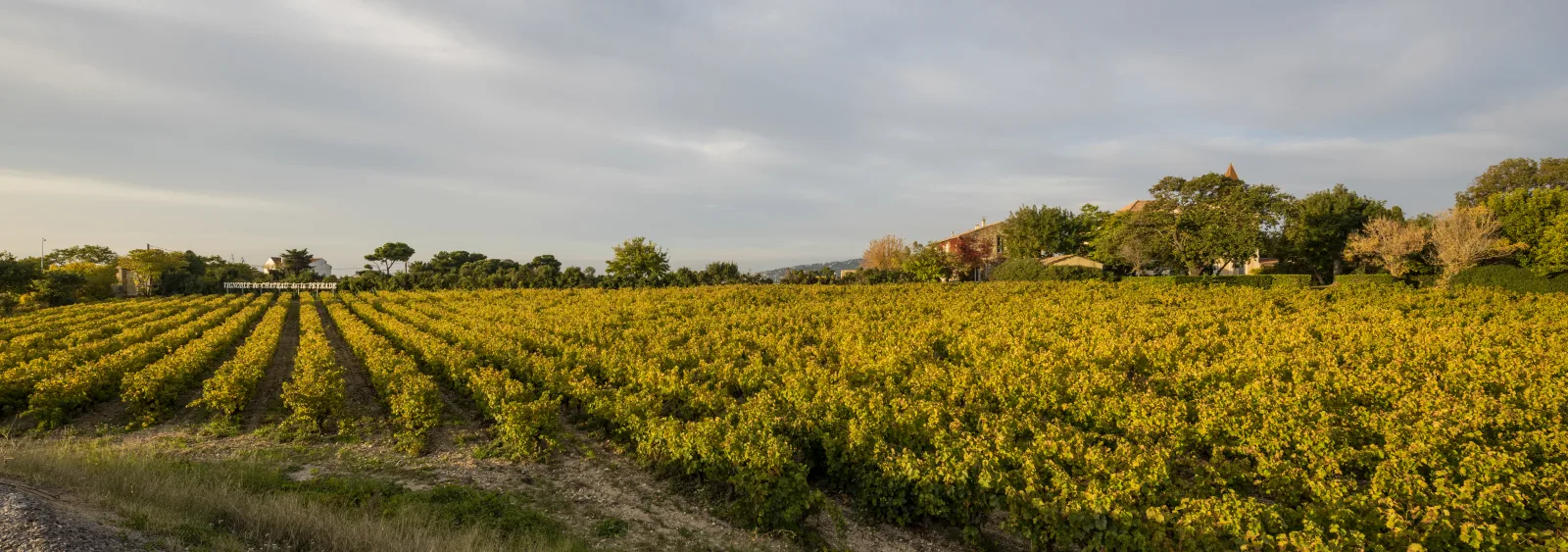
The vineyards start at the edge of the village. By car, the Pinet cellar is 10 minutes away. My father used to deliver his grapes there. My brothers still do.
Faugères
Thirty minutes north of Florensac, in the Cevenol foothills. Schist soils that give the reds a distinctive mineral character. The wines are elegant, lighter than other Languedoc reds. Notes of garrigue, dark fruit, a certain finesse.
Faugères is a rising appellation. The estates are often family-run, the prices contained. Some cellars welcome visitors by appointment.
Saint-Chinian
Right next to Faugères, a little further north-west. Same spirit, varied soils (schist in the north, limestone in the south). The reds are full-bodied, generous. The rosés are very good too, especially in summer.
Saint-Chinian is a pretty small town. You can combine an estate visit with a walk in the hills.
Terrasses du Larzac
This is the appellation generating the most buzz in recent years. North of Montpellier, on the foothills of the Larzac plateau. Ambitious estates, deep wines, complex. This is the top end of the Languedoc.
Prices are higher than other appellations (10 to 25 euros at the cellar door), but nothing like Burgundy or Bordeaux. For wine lovers, it’s a trip worth making. About 1 hour from Florensac.
AOC Languedoc
The generic appellation, covering the entire territory. You’ll find everything from very good to forgettable. The best Languedoc wines are blends of Syrah, Grenache and Mourvedre, with character and body.
Many winemakers on the plain around Florensac produce their reds and rosés under this appellation. The local cooperative cellars offer decent wines at very low prices (3 to 6 euros).
IGP Pays d’Oc
Not an AOC, but a geographical indication. More flexible in terms of permitted grape varieties. You’ll find single-variety wines (a Merlot, a Chardonnay, a Viognier) and free blends. Prices are often the lowest on the shelf. Some are very good.
Estates to visit
Around Florensac (10-15 min)
The Florensac cooperative cellar is the first place to go. The shop is open Monday to Saturday. You can taste before buying. Picpoul, reds, rosés: everything is there, at producer prices.
The Cave de l’Ormarine in Pinet is the big cooperative of the Picpoul appellation. Their “Duc de Morny” cuvée is a classic. Free tasting, good shop.
Cave Les Costières de Pomérols, 5 minutes away, offers a wide range at tight prices. Their Picpoul “Beauvignac” is good value.
A bit further (20-40 min)
The Prieuré Saint-Jean de Bébian in Pézenas is a historic estate. Serious wines, beautiful setting. Visits by appointment.
The Abbey of Valmagne, between Villeveyrac and Montagnac, is a unique place. A 12th-century Cistercian abbey whose nave houses enormous wine vats. You visit the abbey and taste the wines. About 20 minutes from Florensac.
Heading towards Faugères and Saint-Chinian, there are many estates. The tourist offices in Pézenas and Béziers have up-to-date lists.
When to go
Harvest takes place in September. It’s the busiest time, but estates are often overwhelmed and tastings sometimes suspended.
Spring (April to June) and autumn (October to November) are the best seasons for visits. The weather is mild, the vines are beautiful, and the winemakers have time to talk.
In summer, cooperative shop doors are open, but it’s hot. Plan visits for the morning.
Wine in daily life
Here, wine is not ceremonial. It’s an everyday product. People buy it at the cooperative cellar in 5-litre boxes for the week. They open a bottle at dinner without thinking twice. The prices allow that simplicity.
My father had his vines. He knew the work it takes, the dependence on the weather, the years of frost and the years of drought. Languedoc wine is that too: a hard trade, not always profitable, but one people keep doing because they don’t know how to do otherwise. And because they love it.
Tasting tips
Start with Picpoul de Pinet. It’s fresh, approachable, and sets the tone for the region. Move on to rosés (in summer) or reds (the rest of the year). If you get hooked, push on to Faugères or Saint-Chinian for more ambitious wines.
Don’t judge the Languedoc on a single wine. The diversity is enormous. And don’t be put off by low prices: here, a 6-euro bottle can be excellent.
Practical information
- Florensac cooperative cellar: avenue de la Gare. Mon-Sat. Producer prices
- Cave de l'Ormarine: Pinet, 10 min away. Free tasting
- Cave Les Costières: Pomérols, 5 min away. Wide range
- Abbey of Valmagne: 20 min. Abbey visit + tasting
- Average prices at cellar door: 3 to 9 euros (local appellations), 10 to 25 euros (Terrasses du Larzac)
- Best season: April-June and October-November
- Tip: don't drive if you're doing multiple tastings. Designate a driver
Our rooms are in the heart of the Picpoul de Pinet appellation, a few minutes from the cellars. If you’re coming for the wine, you’ll be well placed. See our rooms